




How Inflation Drives Changes in the Housing Market in 2026
Inflation is one of the biggest forces shaping the housing market in 2026. From rising mortgage rates to shifting buyer preferences and increasing rental demand, inflation impacts how people buy, sell, invest in, and rent homes. Understanding this relationship helps homebuyers make smarter decisions and allows investors to spot long-term opportunities.
What Is Inflation, and Why Does It Matter for Housing?
Inflation refers to the gradual increase in the cost of goods and services over time. When inflation rises:
- Interest rates usually increase
- Construction and land costs go up
- Household purchasing power declines
Because housing is a high-value, long-term investment, even small inflationary changes can significantly affect affordability and demand.
Impact of Inflation on Home Loan Interest Rates in 2026
One of the most direct effects of inflation is higher interest rates. In 2026:
- Home loan EMIs are higher than previous years
- Buyers qualify for smaller loan amounts
- First-time homebuyers face affordability challenges
As a result, many potential buyers are delaying purchasing or choosing smaller homes to manage monthly payments.
Why Home Prices Remain High Despite Slower Demand
Even with reduced buyer activity, home prices remain firm in 2026. This is because:
- Construction material costs remain elevated
- Labor and compliance expenses have increased
- Developers are cautious about offering steep discounts
Instead of price corrections, the market is seeing slower sales velocity, especially in premium housing segments.
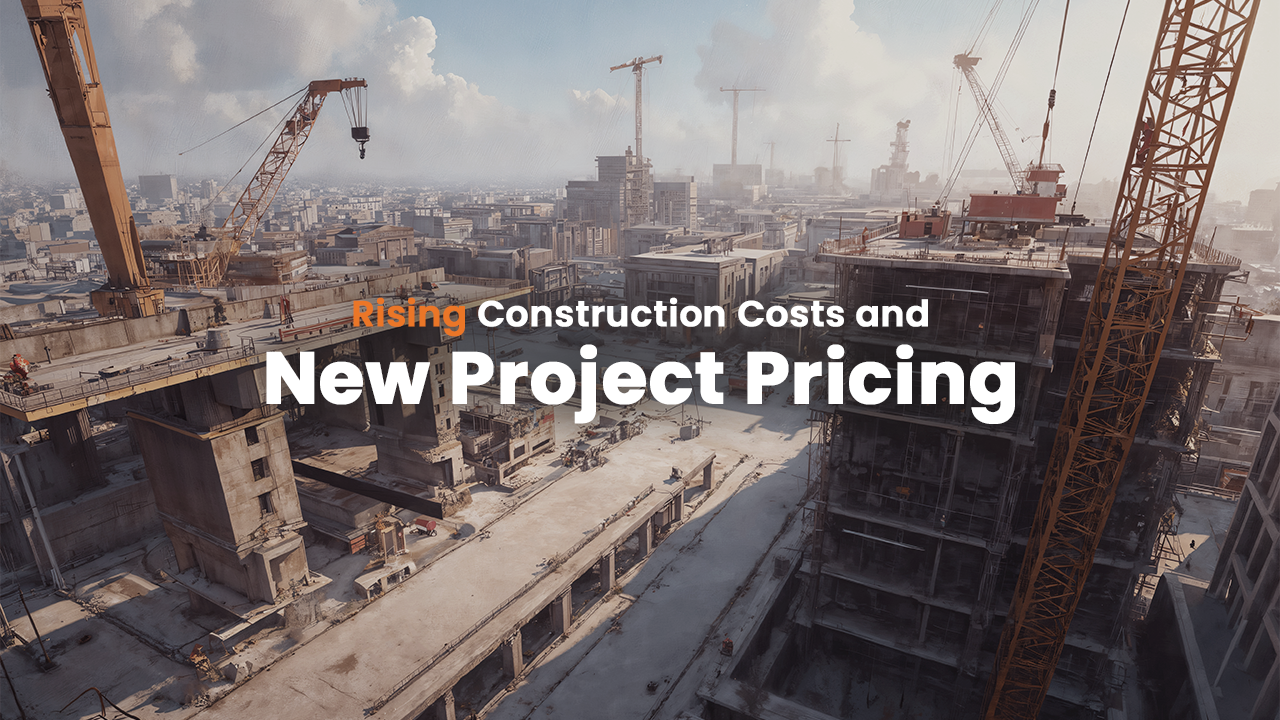
Rising Construction Costs and New Project Pricing
Inflation directly impacts the cost of building new homes. In 2026, developers face higher prices for:
- Cement and steel
- Transportation and logistics
- Skilled labor and energy
These rising costs are passed on to buyers, making new launches more expensive than resale properties. This has increased demand for ready-to-move and resale homes.
Buyer Preferences Shift Toward Smaller Homes
Inflation has changed what buyers prioritize. In 2026, demand is growing for:
- Compact and efficient homes
- Flexible layouts like 2.5 BHK apartments
- Affordable housing in suburban and emerging areas
Buyers are focusing more on utility, connectivity, and long-term affordability rather than size alone.
Inflation Boosts Rental Demand in 2026
As homeownership becomes more expensive, rental demand continues to rise. Key reasons include:
- Higher EMIs pushing buyers to rent longer
- Urban migration for jobs
- Investors seeking stable rental income
This has led to increasing rents across metro cities and employment hubs, making rental housing one of the strongest-performing segments in 2026.
Real Estate as a Hedge Against Inflation
Despite short-term challenges, real estate remains a popular investment during inflationary periods because:
- Property values generally rise over time
- Rental income increases with inflation
- Physical assets provide long-term stability
In 2026, investors with a long-term outlook continue to view housing as a reliable hedge against inflation, especially in high-demand locations.
Inflation vs Housing Market: Last 10 Years Comparison (2016–2025)
| Year | Inflation Trend | Interest Rates | Home Price Movement | Buyer Demand | Rental Market |
|---|---|---|---|---|---|
| 2016 | Low–Moderate | Low | Slow but steady growth | Strong | Stable |
| 2017 | Moderate | Low | Gradual appreciation | Strong | Stable |
| 2018 | Moderate | Rising | Prices stabilize | Slight slowdown | Mild rent growth |
| 2019 | Moderate | Softening | Flat to slow growth | Cautious | Stable |
| 2020 | Low (pandemic impact) | Very Low | Price stagnation | Weak | Rent decline |
| 2021 | Rising | Low | Sharp price increase | Very strong | Rent recovery |
| 2022 | High | Rapidly rising | Prices surge | Demand cools | Strong rent growth |
| 2023 | High | High | Prices remain firm | Selective buying | Rents rise sharply |
| 2024 | Moderating | High | Slow appreciation | End-user driven | High demand |
| 2025 | Moderate–Sticky | Elevated | Stable prices | Value-focused buyers | Strong |
Key Insights from the 10-Year Comparison
1. Low Inflation = Strong Buyer Demand
From 2016 to 2019, affordable loans and controlled inflation encouraged homeownership and steady price growth.
2. Pandemic Shift Changed the Market (2020–2021)
Ultra-low interest rates in 2021 triggered one of the strongest housing booms, despite rising inflation.
3. High Inflation Reshaped Buying Behavior (2022–2025)
- Higher EMIs reduced affordability
- Buyers shifted to smaller homes and flexible layouts
- Rental demand surged as ownership costs rose
4. Prices Rarely Fall—They Slow
Across all 10 years, inflation slowed growth but rarely caused sharp price drops, highlighting housing’s resilience.
How Developers Are Adapting to Inflation
To stay competitive, developers in 2026 are
- Launching smaller, more affordable units
- Offering flexible payment plans
- Focusing on end-user demand rather than speculation
This shift has created a healthier market with better transparency and realistic pricing.
Luxury vs Mid-Range Housing: Key Differences During Inflation
| Factor | Luxury Housing | Mid-Range Housing |
|---|---|---|
| Buyer Profile | High-net-worth individuals | Salaried professionals, families |
| Loan Dependency | Low | High |
| Impact of Interest Rates | Minimal | Significant |
| Demand Trend | Slows but remains stable | Remains strong |
| Price Flexibility | High | Limited |
| Rental Yield | Moderate | High |
| Resale Liquidity | Lower | Higher |
| Investor Interest | Long-term wealth preservation | Income & appreciation driven |
Will Real Estate Beat Inflation in 2026 and Beyond?
Short-Term Outlook (2026–2027)
- Price growth may remain moderate
- Rental yields will outperform capital appreciation
- End-user driven markets will stay stable
Long-Term Outlook (2028 and Beyond)
Historically, real estate:
- Preserves purchasing power
- Adjusts rents upward with inflation
- Delivers compounded returns over time
Yes, real estate is expected to beat inflation over the long term, especially in:
- High-demand urban corridors
- Rental-heavy markets
- Infrastructure-led growth zones
Smart Strategies to Beat Inflation with Real Estate
To outperform inflation:
- Focus on mid-range homes in growth locations
- Prioritize rental yield and appreciation, not speculation
- Avoid over-leveraging during high-rate periods
- Choose projects with strong connectivity and employment access
Budget-Friendly Housing Options in Ahmedabad During Inflation
While inflation has increased housing costs across most cities, Laxmi Group continues to focus on affordable and value-driven homes designed for end-users and long-term investors in Ahmedabad.
In a market where affordability matters more than ever, Laxmi Group offers practical housing solutions across multiple budget segments.
Affordable & Value-Driven Home Options
1 BHK flats in Ahmedabad under ₹20 lakh
Ideal for first-time buyers, young professionals, and investors seeking rental income
2 BHK flats in Ahmedabad under ₹25 lakh
Perfect for small families looking for affordability without compromising on connectivity
Designed for growing families who want more space at a reasonable price point
Luxurious 4 BHK flats in Ahmedabad
Premium homes for buyers seeking comfort, space, and lifestyle amenities
Why Budget Homes Perform Better During Inflation
- Lower loan dependency and manageable EMIs
- Strong end-user and rental demand
- Better resale liquidity compared to premium housing
- Higher long-term affordability in inflationary cycles
With rising interest rates and construction costs, budget and mid-range homes remain the safest choice in 2026, especially in fast-growing cities like Ahmedabad.
FAQs: Inflation & Housing Market 2026
How does inflation affect the housing market in 2026?
Inflation raises interest rates and construction costs, reducing affordability while keeping home prices stable and increasing rental demand.
Why do home prices stay high during inflation?
High material, labor, and land costs prevent builders from lowering prices, even when buyer demand slows.
Is it a good time to buy property during inflation?
Yes, for long-term use or rental income, as property values and rents usually rise with inflation over time.
Which performs better during inflation: luxury or mid-range housing?
Mid-range housing performs better due to stronger end-user demand, higher rental yields, and faster resale liquidity.
How does inflation impact home loan interest rates?
Central banks raise interest rates to control inflation, increasing EMIs and reducing buyers’ loan eligibility.
Why is rental demand rising in 2026?
Higher EMIs and affordability challenges push more people toward renting, increasing demand and rental prices.
Can real estate beat inflation in 2026 and beyond?
Yes, real estate typically beats inflation long-term through steady price appreciation and rising rental income.
Is real estate a safe hedge against inflation?
Yes, property values and rents generally adjust upward with inflation, preserving purchasing power.
What type of property is best during inflation?
Mid-range homes in high-demand locations offer balanced affordability, strong rental demand, and better long-term returns.
Will inflation cause a housing price crash?
No, inflation usually slows price growth rather than causing crashes due to high construction costs and limited supply.
Why are developers building smaller homes in 2026?
Smaller homes remain affordable, attract end-users, and sell faster during high-interest-rate periods.
Is renting better than buying during inflation?
Renting works short-term, but buying is better long-term as rents rise and loan burdens reduce over time.