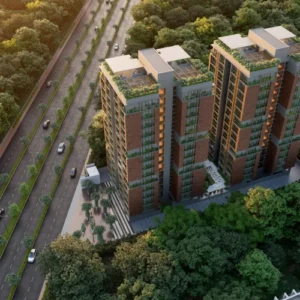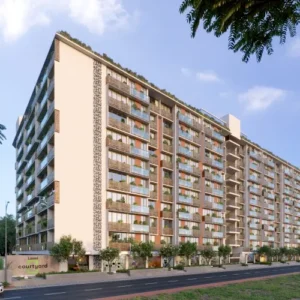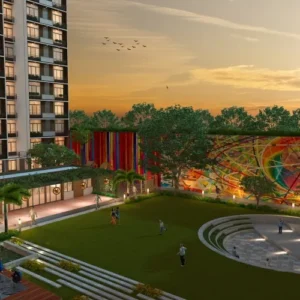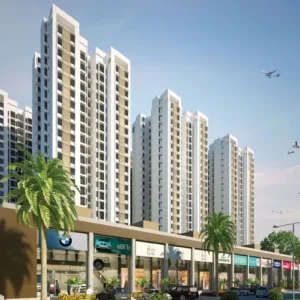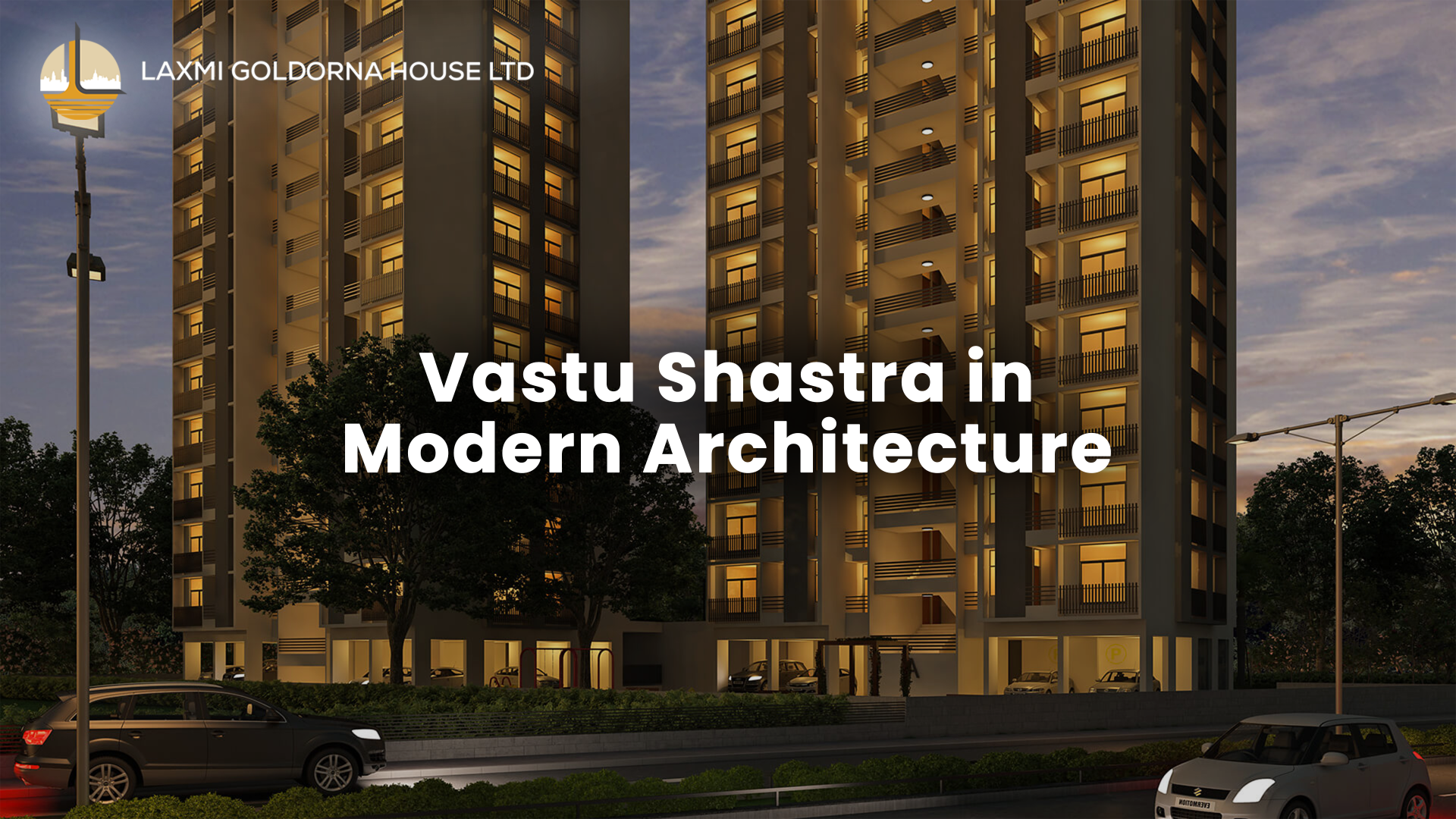
Vastu Shastra, the ancient Indian science of architecture, followed beautiful innovation to meet the needs of modern living. Today’s modern architects are skillfully blending traditional feng shui principles with sleek, contemporary design to create spaces that are not only functional but also full of positive energy.
Modern Vastu Shastra focuses on balance, natural light, and spatial harmony—without compromising on style or innovation. Whether you are planning a new home or redesigning your apartment, understanding how to apply Vastu in modern architecture can transform your living experience in 2025 and beyond.
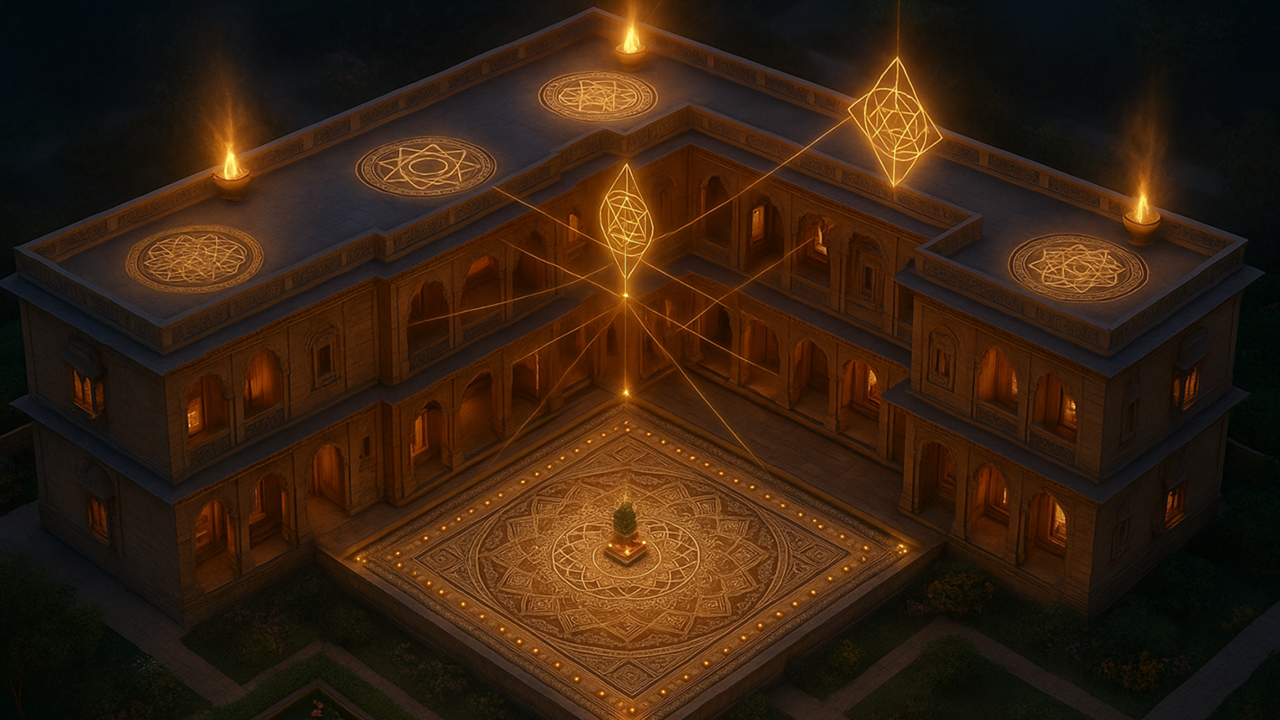
Vastu Shastra dates back over 5,000 years to ancient Indian architecture, where it was used to align buildings with natural forces — earth, water, fire, air, and space. Rooted in the Vedic texts, Vastu guided temple construction, palaces, and traditional Indian homes to ensure harmony between human life and nature.
Historically, Vastu Shastra emphasized the “science of dwelling” — creating spaces that supported physical health, emotional peace, and spiritual growth. Ancient architects (Sthapatis) designed homes so that sunlight, wind flow, and magnetic fields moved in balanced patterns throughout the day.
Even in modern times, this philosophy remains relevant. Modern Vastu Shastra adapts these principles to urban architecture — blending them with contemporary needs like space optimization, sustainability, and technology — proving that ancient wisdom still holds the key to peaceful, balanced living in today’s fast-paced world.
Modern Vastu Shastra is an evolved version of the ancient architectural science, which aligns energy flow with the rhythm of modern living. Unlike traditional vastu shastra, which was designed for large courtyards and open spaces, modern vastu adapts these principles to apartments, flats, urban homes, and smart architectural layouts.
It blends technology, sustainability, and space-saving design to create homes that radiate balance and harmony. From using natural light efficiently to choosing energy-positive directions, modern Vastu Shastra in architecture focuses on psychological comfort, mental peace, and a healthier lifestyle—perfectly suited for today’s fast-paced, compact city living.
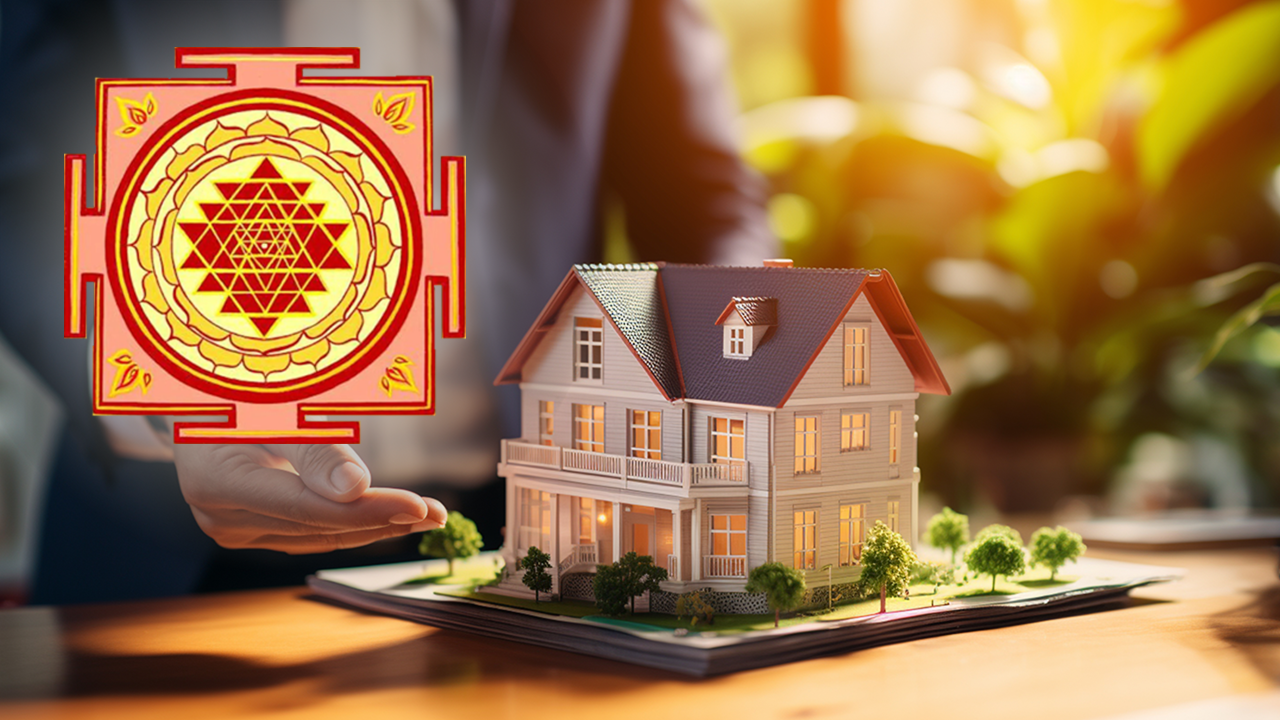
Integrating Vastu Shastra into modern architecture brings balance, positivity, and a sense of calm to modern homes. In today’s urban spaces, where every square foot matters, Vastu principles help optimize layouts for better spatial efficiency and natural light flow.
Homes designed according to modern Vastu feel more inviting, support productivity, and improve general overall well-being. By following simple yet powerful guidelines — like ideal room orientation, airflow, and color balance — modern Vastu-compliant homes create an environment that promotes health, mental peace, and positive energy.
Applying these principles ensures that your space looks modern yet feels spiritually grounded.
| Color | Meaning / Energy | Best Used In |
|---|---|---|
| White | Purity, peace, and calmness | Living room, ceilings, pooja room |
| Light Blue | Serenity, inspiration, and relaxation | Bedroom, study room |
| Green | Growth, healing, freshness | Living room, kitchen |
| Yellow | Optimism, happiness, and clarity | Kitchen, study area |
| Orange | Energy, warmth, and creativity | Living room, children’s room |
| Pink | Love, harmony, and positivity | Bedroom |
| Red | Strength and passion (use sparingly) | Accent wall or décor items |
| Cream / Beige | Balance, simplicity, and elegance | Hallway, dining area |
| Brown | Stability and grounding energy | Furniture, flooring |
| Purple / Violet | Spirituality and luxury | Meditation area, master bedroom |
Tip: Avoid using too much black or dark grey — they may block energy flow or create heaviness in compact homes.
| Home Element | Ideal Direction (Vastu) | Reason / Benefits |
|---|---|---|
| Main Entrance Door | North, East, or Northeast | Brings prosperity and positive energy into the home |
| Living Room / Hall | North or East | Encourages openness, good ventilation, and light |
| Kitchen | Southeast (Agni Corner) | Represents fire element; ideal for health and energy |
| Master Bedroom | Southwest | Promotes stability, peace, and strong relationships |
| Children’s Bedroom | West or Northwest | Supports creativity and growth |
| Pooja / Temple Room | Northeast (Ishan Corner) | Spiritual zone; enhances harmony and meditation |
| Study Room / Office Area | East or North | Improves focus and concentration |
| Bathroom / Wash Area | Northwest or West | Allows easy water flow and avoids energy imbalance |
| Toilet | West or South | Keeps negative energy away from main living zones |
| Dining Area | West or East | Encourages family bonding and digestion |
| Balcony / Open Space | North or East | Welcomes fresh air and morning sunlight |
While combining modern architecture with Vastu Shastra creates beautiful, balanced spaces, it also comes with certain challenges:
| Challenge | Explanation | Modern Solution |
|---|---|---|
| 1. Space Constraints in Urban Homes | Compact apartments often limit ideal Vastu orientation. | Smart layouts, mirror placements, and décor adjustments balance energy without reconstruction. |
| 2. Directional Limitations in Builder Projects | Not every plot or tower faces a Vastu-compliant direction. | Lakshmi Group optimizes internal zoning and room placement to align with energy flow. |
| 3. Balancing Aesthetics with Vastu Rules | Modern designs prioritize open layouts that may conflict with strict Vastu divisions. | Blended approach using partial partitions, color zoning, and light flow techniques. |
| 4. Technical Constraints (Pipes, Shafts, Elevators) | Structural necessities can limit full Vastu compliance. | Integrate energy-corrective materials and design orientation to maintain harmony. |
| 5. Client Awareness | Many buyers view Vastu as superstition, not science. | Education through design walkthroughs and showcasing Vastu-backed modern homes. |
Modern Vastu House Plans: 1 BHK to 4 BHK Homes
Applying Modern Vastu Shastra isn’t just for large villas — it’s equally effective in 1 BHK, 2 BHK, 3 BHK, and 4 BHK homes. By aligning rooms, colors, and natural light according to Vastu principles, every home can radiate positivity, comfort, and balance.
No matter the home size, following Modern Vastu principles ensures your living space feels peaceful, energized, and aligned with natural forces. From compact apartments to luxurious villas, the key is to maintain directional balance, proper light flow, and mindful material use.
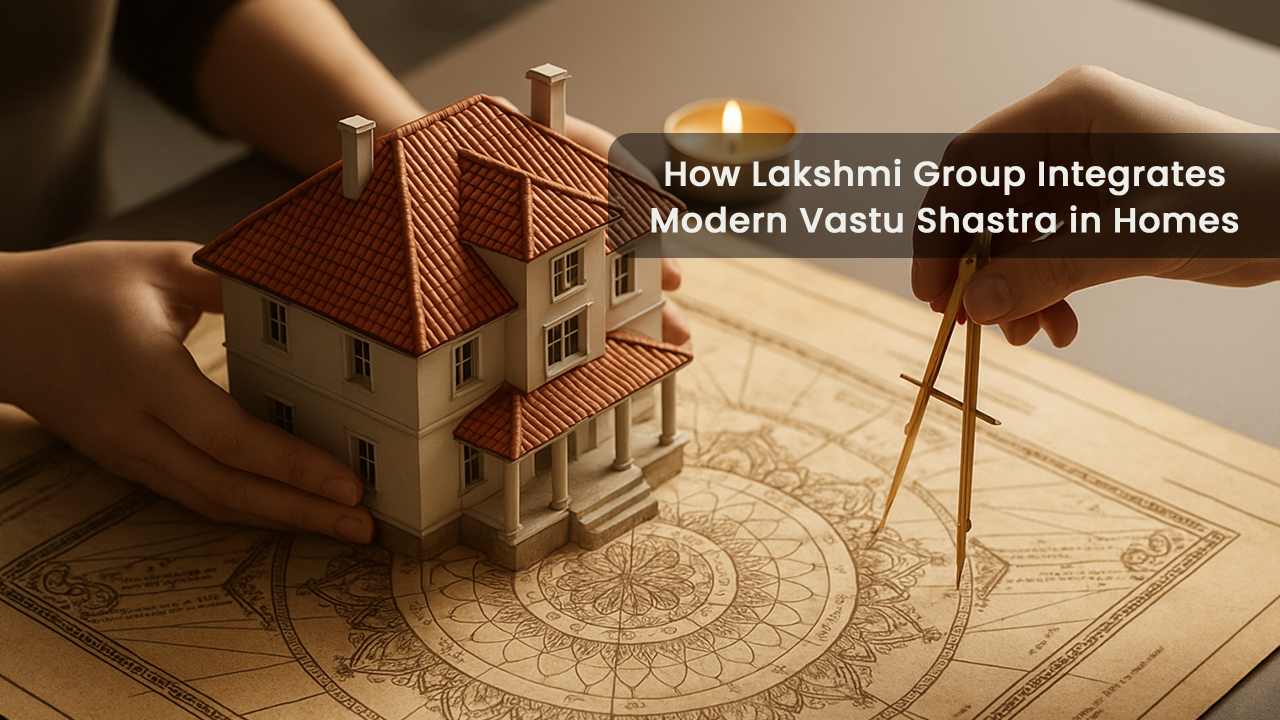
At Lakshmi Group, modern architecture meets traditional wisdom through the thoughtful integration of Vastu Shastra principles in every project. Each home is designed to balance aesthetics, functionality, and positive energy — ensuring residents enjoy both comfort and harmony.
Lakshmi Group’s philosophy is clear — blending scientific design, spiritual harmony, and sustainable living to build homes that nurture well-being and success for every family.
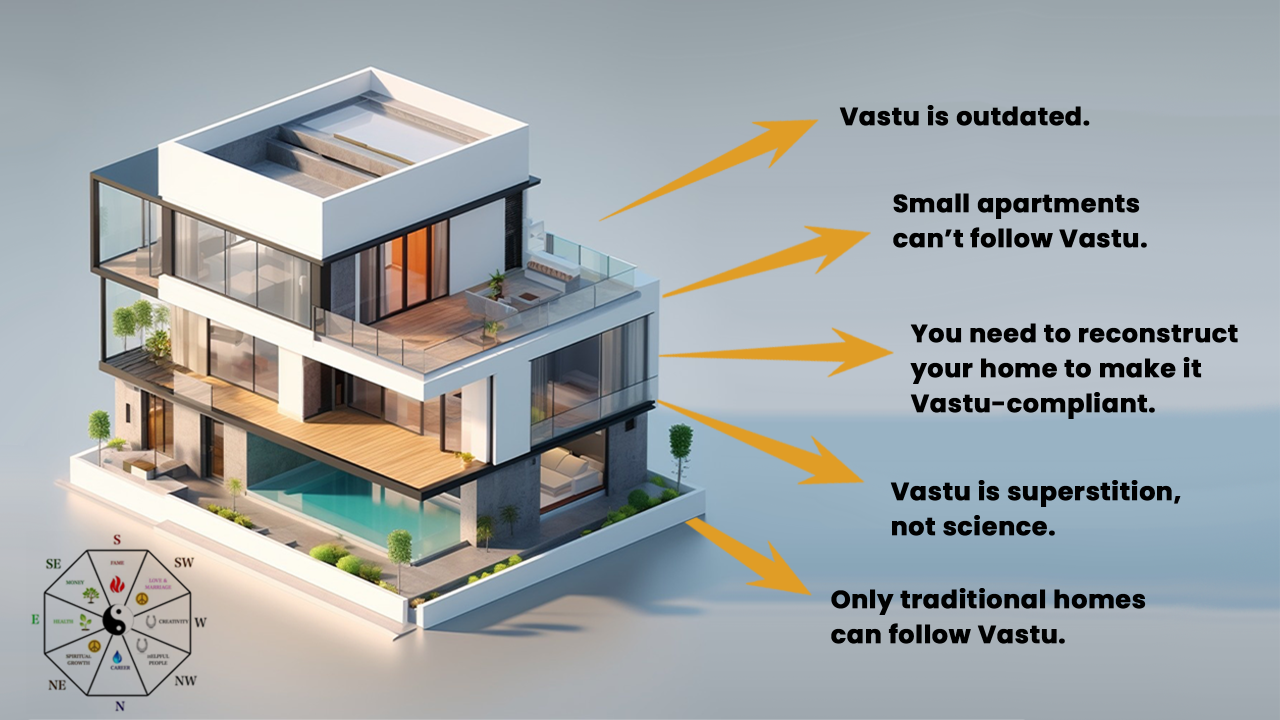
Even today, many misconceptions surround Vastu Shastra — especially when it comes to modern apartments and city homes. Let’s clear the air with facts.
| Myth | Reality (Modern Vastu View) |
|---|---|
| “Vastu is outdated.” | Not true — Vastu focuses on light, airflow, and energy balance, which are key principles in modern architecture too. |
| “Small apartments can’t follow Vastu.” | Modern Vastu allows flexible application — through furniture placement, color choice, and interior orientation. |
| “You need to reconstruct your home to make it Vastu-compliant.” | Most imbalances can be corrected through simple adjustments like mirrors, colors, or lighting — no demolition needed. |
| “Vastu is superstition, not science.” | Vastu is based on energy flow, direction, and natural elements, which align with environmental design principles. |
| “Only traditional homes can follow Vastu.” | Modern architecture can easily integrate Vastu through zoning, materials, and lighting choices. |
Truth: Vastu Shastra is not about rigid rules – It is about designing homes that feel natural, positive, and aligned with how we live today.
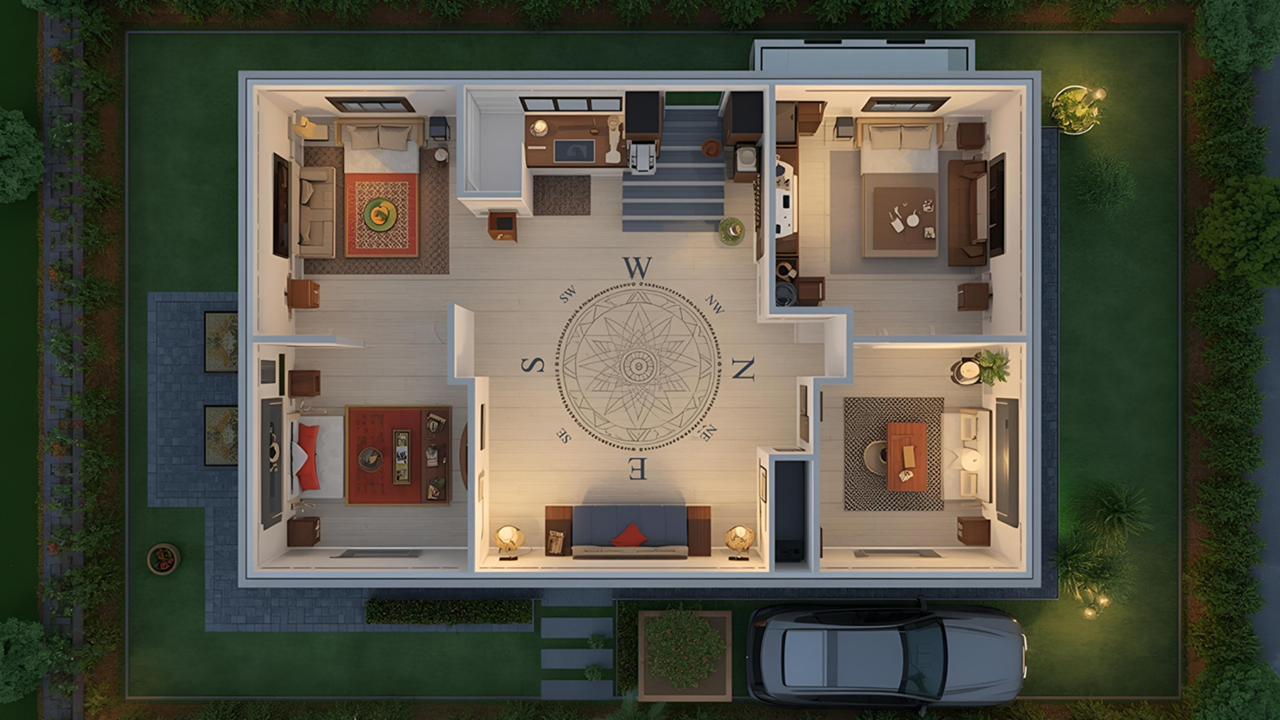
Living in a Vastu-compliant home goes beyond traditional beliefs – it’s about creating a space that prompted balance, wellness, and positive energy in everyday life. Modern Vastu shastra integrates natural light, airflow, and direction-based design to enhance both comfort and mental piece.
A wll-plannes Vastu Home allows smooth energy flow, ensuring rooms receive proper sunlight and ventilation, which improves overall health and mood. Balanced spaces also support better sleep, harmonious relationship, and emotional stability. For many homeowners, Vastu-aligned design brings not just physical comfort but a deeper sense of security and prosperity.
Additionally, energy-efficient layouts and natural materials used in modern Vastu architecture reduce stress, boost productivity, and encourage mindful living — essential in today’s busy urban life. By aligning modern architecture with ancient wisdom, you can enjoy a home that’s beautiful, functional, and truly life-enhancing.
A modern Vastu house plan blends ancient Vastu Shastra principles with today’s architectural styles. It focuses on direction-based design, energy balance, natural light, and efficient space use to create homes that promote health, happiness, and harmony — ideal for urban living and contemporary lifestyles.
In a 1 BHK flat, apply Vastu by placing the main door in the east or north, the bedroom in the southwest, and the kitchen in the southeast. Light colors, proper ventilation, and clutter-free design help balance energy even in limited spaces.
A Vastu-friendly 2 BHK flat has its entrance in the east or northeast, the master bedroom in the southwest, and the kitchen in the southeast. Ensure the living area gets ample sunlight from the east to keep the home bright and positive.
According to modern Vastu, north, northeast, or east-facing entrances are ideal. These directions invite positive energy, prosperity, and better airflow. Avoid doors facing southwest, as they are believed to attract instability and stress.
The southeast (Agni corner) is considered the best direction for a kitchen as per Vastu Shastra. If unavailable, the northwest corner is a good alternative. Avoid placing the kitchen in the northeast, as it may disturb the home’s energy balance.
Even small homes can follow Vastu by optimizing direction, light, and color. Choose light paint shades, use mirrors for energy flow, ensure good ventilation, and place key rooms (bedroom, kitchen, and bathroom) in suitable directions as per modern Vastu.
The southwest direction is ideal for the master bedroom. It ensures stability, better relationships, and restful sleep. The head of the family should ideally occupy this room, while children’s bedrooms can be in the west or northwest.
Colors influence mood and energy. Light shades like white, green, beige, and blue promote peace and positivity. Avoid dark or dull tones in bedrooms and living areas, as they can create heaviness. Vastu-friendly colors enhance mental clarity and harmony.
Yes, absolutely. Small changes like adjusting furniture placement, color schemes, lighting, and using Vastu remedies (like mirrors or symbols) can align energy flow without structural changes. Modern Vastu focuses on energy correction, not major reconstruction.
Keep the entrance east-facing, place the bedroom in the southwest, and the kitchen in the southeast. Use light colors, declutter often, and ensure natural light enters from the north or east side for maximum positivity.
Vastu aligns spaces with natural forces like sunlight, air, and direction. A balanced layout enhances mental clarity, reduces stress, improves sleep, and promotes financial stability. It helps maintain emotional and physical harmony among family members.
Avoid placing toilets in the northeast, kitchens in the north, or bedrooms in the southeast. Keep the center of the home open and clutter-free, and ensure mirrors never face the bed directly — these help maintain positive energy flow.
Modern architects integrate Vastu with functionality by aligning rooms with favorable directions while maintaining sleek layouts, natural lighting, and ventilation. They focus on energy-efficient, sustainable materials that meet both traditional wisdom and modern aesthetics.
Yes. With rising urban stress, Vastu helps create homes that support well-being and positivity. A Vastu-compliant apartment ensures balance, better energy flow, and emotional stability — essential for healthy modern living in 2025.
Home | Our Projects | Completed projects | EMI Calculator | Investor | Joint Development | Channel Partner | Vendor | Career | Articles | About Us | Privacy Policy | Contact Us
© Laxmi Goldorna House Limited 2025 – All Rights Reserved. | Powered by : Zero Dimensions