








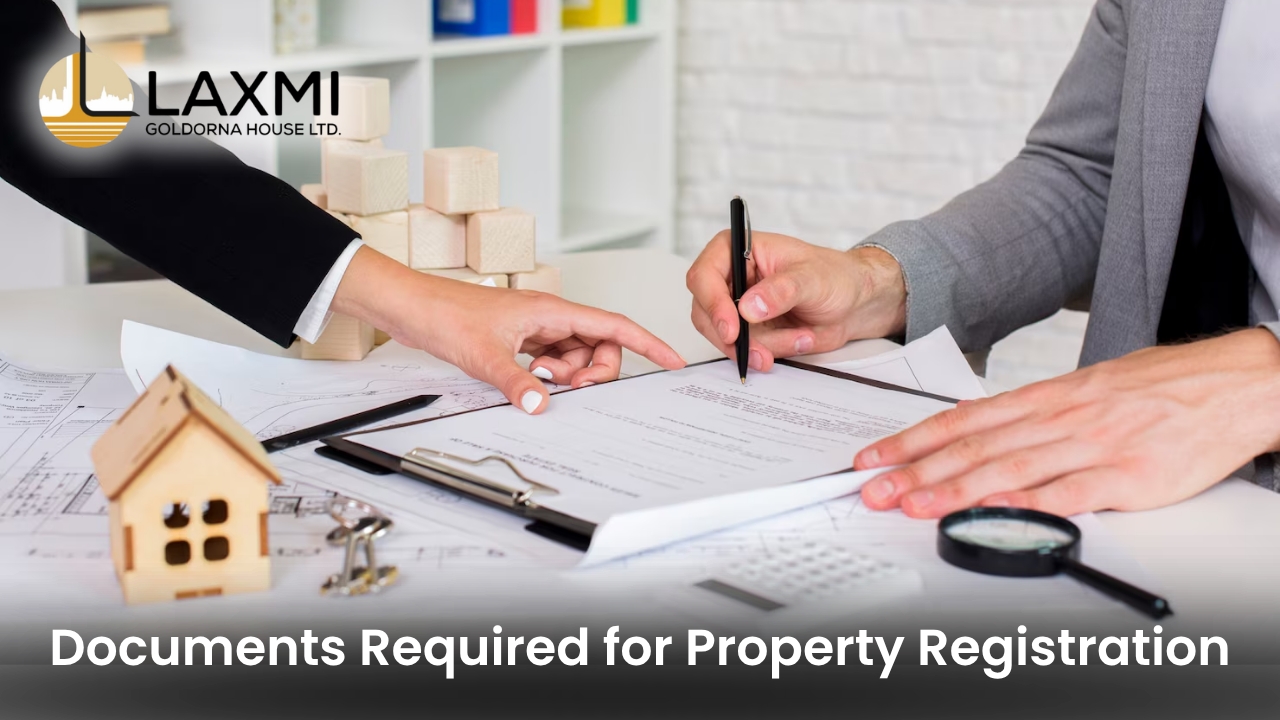
What Documents are required for Registration of Property
Buying a property is one of the biggest financial decisions that you will ever make. But owning a property goes way beyond just paying the seller. It’s all about a legal process known as property registration, which ensures that the property is officially transferred to your name.
If you are a first-time homeowner, you might get confused about what documents are required for the registration of property. Missing even a single document can delay your process or even lead to legal complications in the future.
In this guide, you can learn everything about property registration documents.
Why Is Property Registration Important?
You might wonder why you need to do all the paperwork. Well, registering your property is not optional; it’s a legal requirement. Without registration, your ownership is not recognised legally.
The sale deed must be officially recorded with the government. Or registered properties are legally protected from fraudulent claims, illegal positions or even ownership disputes. If you plan to take a home loan, banks will require proper property registration documents before approving your loan. Registered property can easily be transferred or sold without any legal complications. A legally registered property ensures that you do not lose any money because of legal complications later on.
Some Of The Most Important Documents Required For Property Registration
Before heading to the registrar’s office, you need to make sure that you have the documents required for property registration.
Sale Deed
The sale deed is one of the most common documents that establishes the property transfer between the buyer and the seller. It includes details like your property location, ownership details, payment details and terms and conditions of the sale.
Title Deed
This document confirms that you have the legal right to sell the property. It provides you with the history of ownership and ensures that your property has no previous disputes.
Encumbrance Certificate
It proves that your property is free from any loans, mortgages or legal dues. If you don’t have the certificate, the bank will not approve any home loan.
Identity And Address Proof
You must provide proof of your identity and address. Some of the most acceptable documents include an Aadhar card, PAN card, passport, voter ID, and driving license.
Property Tax Receipts
The latest property tax receipts ensure that you have cleared all the pending taxes before selling the property.
No Objection Certificate
If your property is a part of a society or a builder project, or no-objection certificate from the relevant authority is mandatory.
Building Plan Approval
If you are planning to go for a constructed property, your builder must provide an approved layout or plan from the local municipal authority.
Home Registration Documents
If you are buying a house, not just the land, you need to have additional home registration documents.
Occupancy Certificate
The Municipal Corporation issues occupancy certificates. This document confirms that the building is literally ready for occupancy.
Completion Certificate
It certifies that the construction was completed as per the approved building plan.
Home Loan Papers
If you’re taking any loan all home loan agreements and sanction letters need to be submitted.
Step-By-Step Property Registration Process
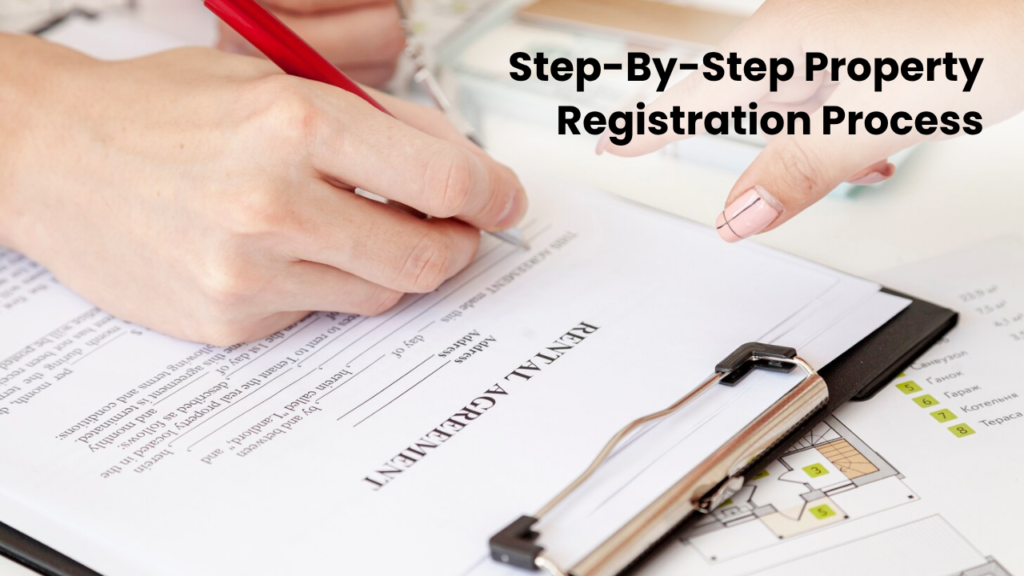
To ensure a smooth registration process you need to follow some simple steps.
Gather All The Important Documents
You need to ensure that you have all the documents required for proper registration before starting the process.
Calculation And Stamp Duty And Registration Charges
Stamp duty registration charges depend on the state laws in your area. You can pay for them online or at the sub-registrar’s office.
Visit The Sub Registrar’s Office
Both the buyer and the seller must visit the sub-registrar’s office along with two witnesses.
Document Verification
The sub registrar will verify all submitted property registration documents to ensure everything is in order.
Signing The Documents
Once verified the buyer, the seller and the witness need to sign the sale deed.
Biometric And Photograph Verification
Your fingerprint and photograph will be taken for authentication.
Receive The Registered Sale Deed
Once the process is complete, you will receive a registered sale deed. This will make you the official property owner.
Stamp Duty And Registration Charges
Stamp duty is the tax you pay to the state government to legalise the property registration documents. The stamp duty is likely to vary by state, but it is typically anywhere between 4% to 7% of the value of your property. Registration charges are paid for recording the property transaction in the government records. It is actually around 1% of your property value.
State-Wise Variations In Required Documents
Different states in India have different home registration document requirements. For example, if you’re in Maharashtra, it requires additional property tax receipts and a Maharashtra RERA certificate for new projects.
If you are in Karnataka, it need A KHATA or even B KHATA certificates. In Delhi NCR, you need builder-buyer agreement for apartment purchases. In Tamil Nadu PATTA, that is land revenue record, is mandatory for land purchases.
Common Mistakes To Avoid
You might make mistakes that lead to delays or legal issues. So, you can avoid them by always checking if the seller has full ownership rights. Ignoring an encumbrance certificate is a big mistake that you should avoid because it can lead to legal complications later. Underpaying stamp duty can result in penalties. Skipping the no-obligation certificate is not optional if you are buying from a builder or a society.
Our Projects
Frequently Asked Questions
1. What is the most important document for property registration?
The sale deed is the most important document as it legally transfers your ownership.
2. Can property registration be done online?
Some states allow online registration, but final verification must be done at the sub-registrar’s office.
3. How long does property registration take?
Typically, it takes around one to two weeks, depending on the state regulations and the document verification.
Property registration might seem really overwhelming, but with the right preparation and understanding of
4. what documents are required for registration of property
you can truly ensure a smooth and stress-free process. If you need professional assistance, visit Lakshmi Group for expert guidance on property registration and real estate transactions.