





Iran-Israel War Impact on Indian Real Estate: Will Property Prices Rise in 2026?
Subtitle: Or Is This the Most Overhyped Fear of the Decade?
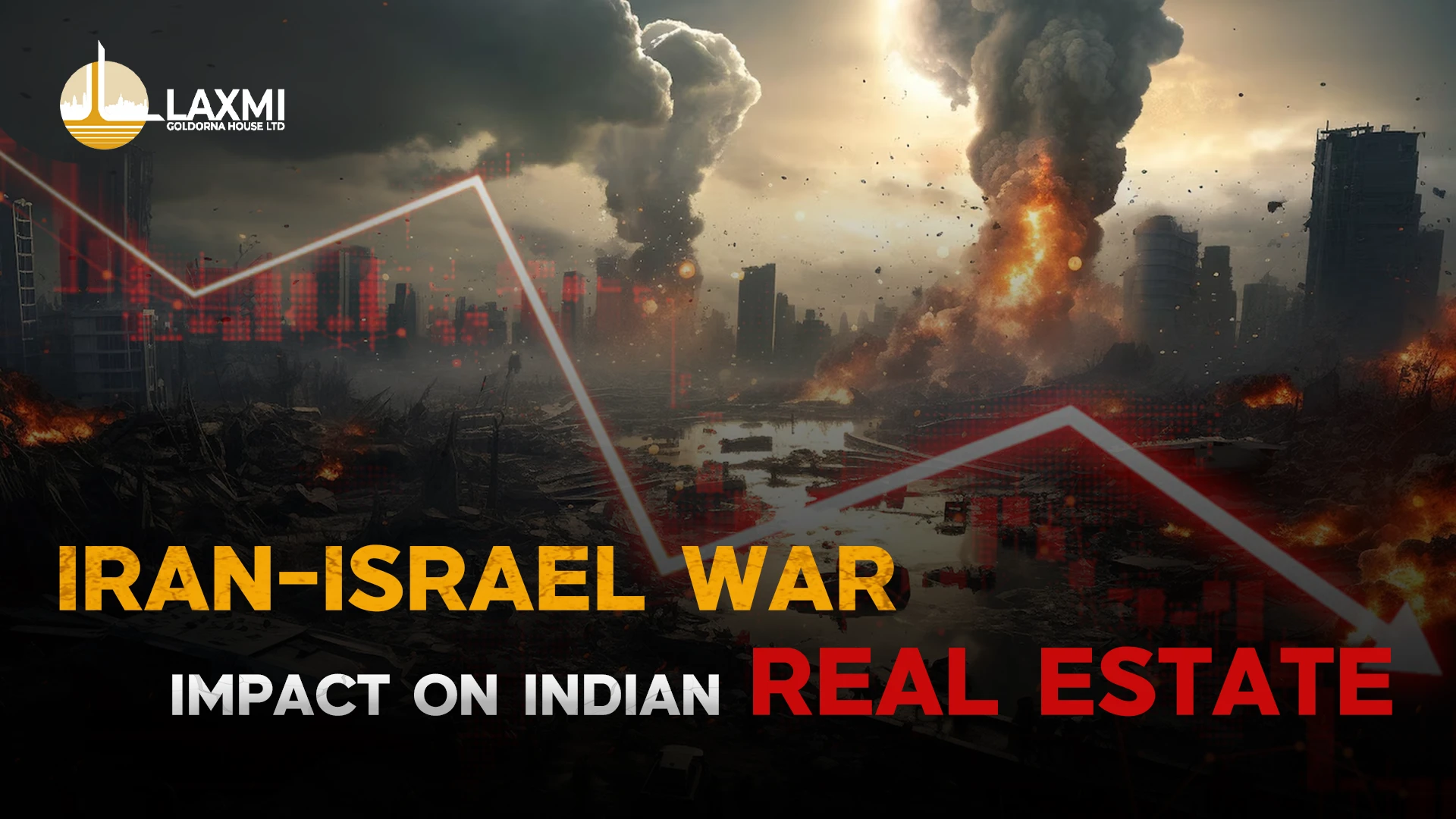
The Iran-Israel conflict is no longer just a headline; it is now directly impacting the property market in India. The war’s effect on Indian real estate is becoming more noticeable in 2026, affecting property prices, construction costs, and investment choices.
India depends heavily on Middle East crude oil. A large part of that supply moves through the Strait of Hormuz, which Iran now controls. Any serious disruption there pushes the crude prices up. And when crude prices go up, so does everything that helps in building a house: cement, steel, transportation, and labour.
Niranjan Hiranandani of Hiranandani Group put it simply: if this war drags on, property prices in India could go up by 10–12% within the next three to five months.
So before you make your next property decision, it’s worth understanding what’s actually happening and why. We’ve broken it all down right here, from what’s driving construction costs up in 2026 to what it means for cities like Ahmedabad, Mumbai, and Gurgaon.
Oil Price Surge: Impact of Middle East War on India’s Real Estate Costs
Many people do not realise this. When oil prices go up, it doesn’t just affect your petrol bill. It affects almost everything.
Cement manufacturing is energy-intensive. Transportation of raw materials runs on diesel. Even labour costs rise as the overall cost of living rises due to fuel inflation.
So when crude oil prices spike because of Middle East tensions, developers across India are affected almost immediately.
India sources a significant portion of its oil from the Middle East. Iraq, Saudi Arabia, and the UAE are among our top suppliers. The Strait of Hormuz, through which nearly 20% of the world’s oil supply passes, runs right along Iran’s coastline.
Even the threat of conflict in this region is enough to push global crude prices higher.
Niranjan Hiranandani explained this clearly: rising energy costs combined with a weakening dollar make petroleum imports more expensive, and petroleum is a raw material for so many products. That cost does not disappear. It gets passed down the chain from developers to buyers.
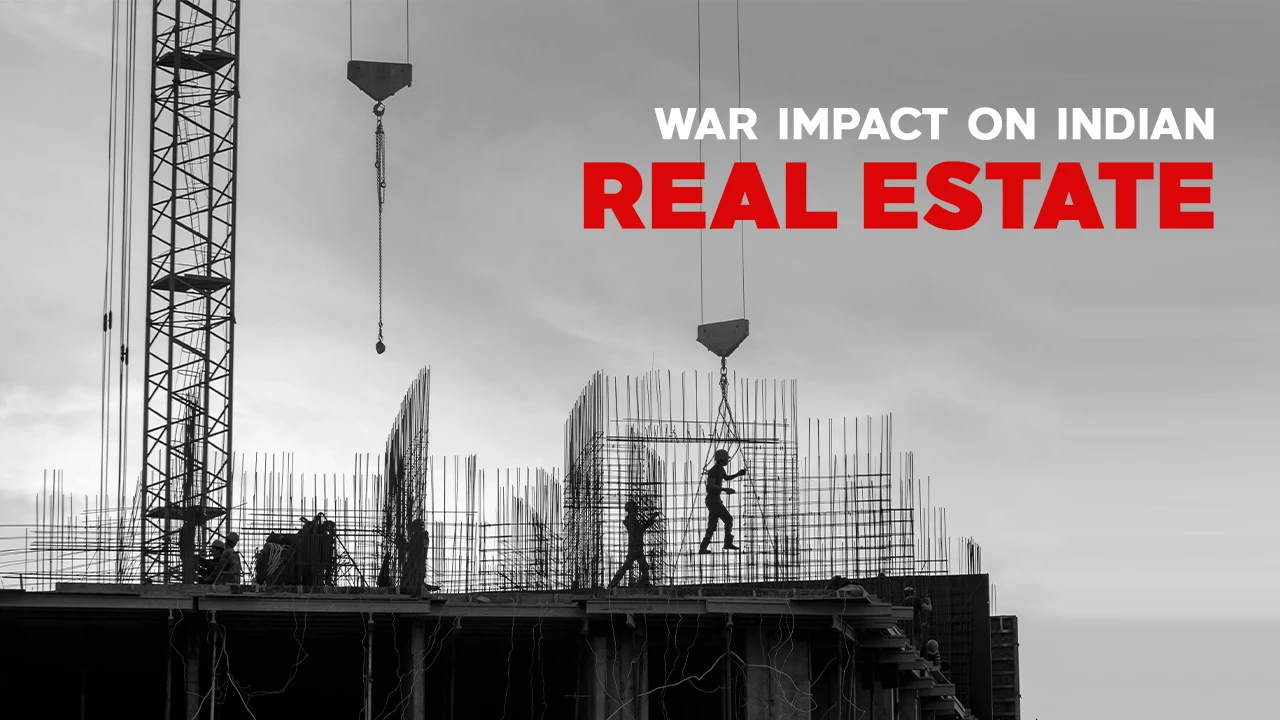
War Impact on Indian Real Estate: Rising Steel, Cement, & Material Costs
Global Supply Chains Under Pressure
Oil is just one part of the story. Steel, aluminium, copper, the core materials that go into any construction project are also getting more expensive.
Global supply chains are already under pressure. The Middle East conflict adds another layer of uncertainty, disrupting shipping routes and pushing up freight costs.
When it becomes more expensive to move materials, that cost shows up in the final price of every flat and villa being built across India.
What This Means for Developers & Buyers
Steel prices in India have been on an upward trend through 2026, and industry experts believe the war could accelerate that further.
For developers, this means tighter margins. And when margins get squeezed, one of two things happens: project timelines get stretched, or prices go up. Usually both.
This is also why investing in under-construction flats requires more careful thinking right now. The price you lock in today carries a different kind of value in a rising cost environment, but only if you choose the right project with a developer such as Laxmi Group, which has a strong material sourcing and execution track record.
Bitumen Shortage: Why New Townships Are Getting Delayed
This one doesn’t get talked about enough.
India sources a significant portion of its bitumen (the material used to build roads) from Iran. With the conflict disrupting trade routes, bitumen supply to India has tightened. And without roads, even the best residential project loses its connectivity advantage.
Here’s how this plays out on the ground:
- New townships on the outskirts of Ahmedabad depend on road infrastructure being built around them, and the bitumen shortage slows that down directly
- When connectivity gets delayed, possession timelines also shift
- For buyers waiting to move in, this results in frustrating delays
- For investors relying on appreciation, delayed infrastructure means delayed returns
It’s one of the less visible but very real ways the Middle East war’s impact on Indian real estate is playing out on the ground in 2026.
How the Iran War Effect on Indian Property Market and Drives NRI Demand
While the war is adding pressure on the supply side, something interesting is happening on the demand side, too.
A large number of NRIs based in the Middle East, particularly in the UAE, Qatar, and Saudi Arabia, are feeling uncertain about the region’s stability.
Many are now moving their money back to India into safer, more tangible assets. Indian real estate is at the top of that list.
At the same time, the rupee has weakened against the dollar. For an NRI earning in dollars or dirhams, Indian property has become significantly more affordable.
A flat priced at ₹80 lakhs in Ahmedabad today effectively costs less in foreign currency terms than it did two years ago. That’s a strong incentive to buy now.
Cities like Ahmedabad and Mumbai are already seeing a spike in NRI enquiries for residential properties.
Ahmedabad, in particular, with its stable market, improving infrastructure, and relatively affordable pricing compared to Mumbai or Gurgaon, is emerging as a preferred destination for NRI investment in 2026.
If you’re an NRI planning to invest, this NRI property investment guide for Ahmedabad is a helpful starting point.
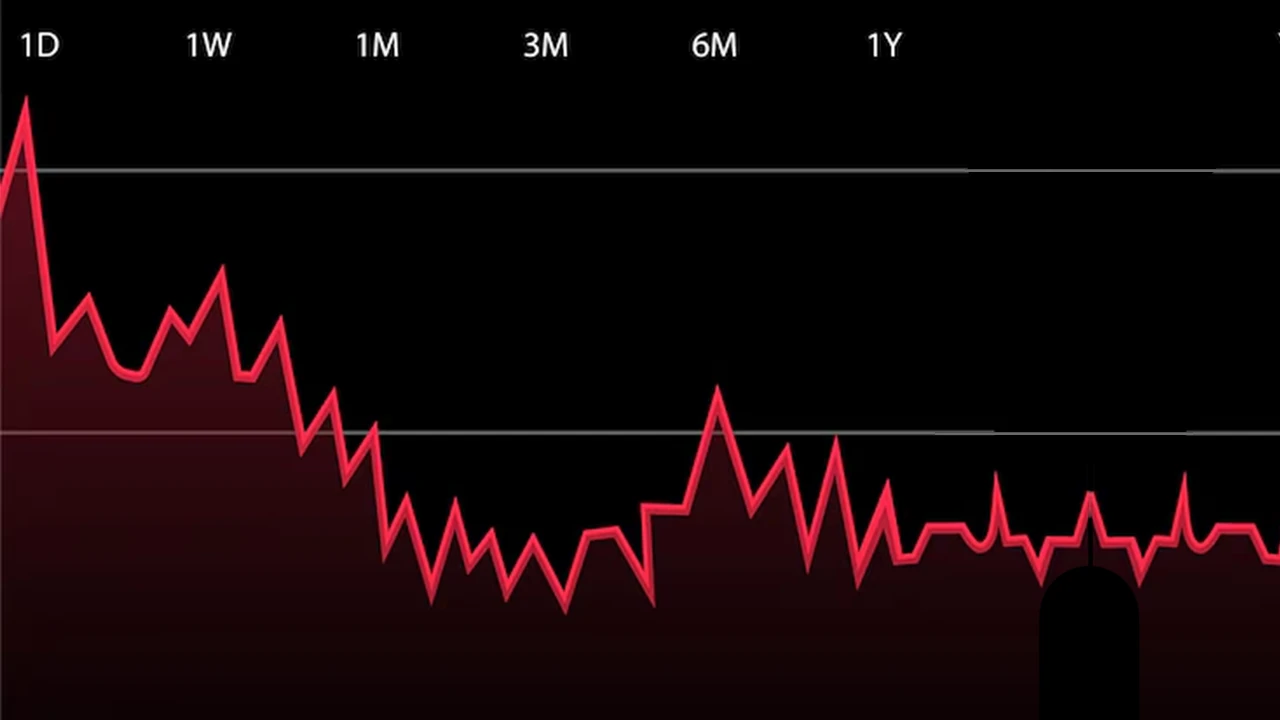
Property Prices India 2026: Inflation & Interest Rate Impact
The Inflation Chain
When oil prices rise, general inflation follows. Fuel costs feed into food prices, transport, manufacturing, and everything. India has seen this pattern before, and 2026 is no different.
Niranjan Hiranandani was measured but clear about the fact that these initial cost increases will likely be absorbed if the conflict is short-lived. But if the war continues, inflation in a general sense takes hold, and that’s when things get harder to contain.
Watch Niranjan Hiranandani explain this here.
His exact words: ‘If the war continues, there could be a price increase of 10–12% at least in the next three to four months. Not tomorrow, but steadily, and that window is already opening.’
What Happens to Home Loan EMIs?
When inflation rises, the RBI faces pressure to act. Any upward revision in interest rates directly impacts home loan EMIs. Even a 0.5% rate hike on a ₹50 lakh loan over 20 years adds thousands to your total repayment.
If you haven’t already stress-tested your budget against a possible rate change, it’s worth doing that now. Use Laxmi Group’s EMI Calculator to understand exactly how a rate shift could affect your monthly outgo before you finalise a purchase.
What About Commercial Real Estate?
Global Uncertainty Is Slowing Office Demand
While residential real estate is feeling cost pressure, commercial real estate is facing a different kind of challenge: demand uncertainty.
When global markets get nervous, multinational companies slow down hiring. IT firms defer expansion plans. New office leases get pushed. This pattern was observed during COVID, and early signs of it are visible again in 2026, with the Middle East conflict adding to an already cautious global business environment.
Cities like Gurgaon and Mumbai, which house large IT and MNC office clusters, are more exposed to this slowdown than others. Bengaluru’s tech corridor is also watching this carefully.
Residential vs Commercial: Which Holds Better Right Now?
For most investors, this is the more practical question.
Residential property, particularly 2 BHK and 3 BHK apartments, tends to be more resilient during periods of global uncertainty. People always need homes. Demand from end users and NRIs continues even when corporate real estate slows down.
For a detailed breakdown of how the two compare as investments, this article on commercial vs residential property is worth a read.
In the current environment, residential makes a stronger case.

Is Real Estate Still a Safe Investment During the Global Crisis?
What History Tells Us
This is not the first time that the Indian real estate market has been tested during a global crisis. Looking back:
- During the 2008 financial crisis, Indian property prices dipped briefly but recovered strongly within 2 years
- During COVID in 2020, the market slowed, but by 2022, it was at record highs
- During the Russia-Ukraine war in 2022, construction costs rose, but residential demand held firm
The pattern is consistent. Real estate in India has always been a long-term hedge against inflation and global uncertainty.
Why Property Still Makes Sense in 2026
In a war-driven inflationary environment, here’s why real estate holds its ground:
- Physical asset: unlike stocks or gold, property gives you something tangible
- Prices are going up: waiting could mean paying more, not less
- NRI demand is adding a fresh layer of buying pressure
- Rental yields remain attractive as more people defer buying and choose renting
Hiranandani himself, despite warning about price rises, expressed hope for a diplomatic resolution, suggesting the market disruption may be temporary. However, once costs increase and stabilise, they rarely reverse.
This is why experienced developers like Laxmi Group focus on locking in material costs and maintaining transparent pricing for buyers so you’re not caught off guard when the market shifts.
Frequently Asked Questions
How Iran-Israel war affect the Indian real estate market?
Rising oil prices push up construction costs, cement, steel, and transport all get more expensive. This leads to higher property prices over time.
Will property prices increase in India due to the war?
Most likely yes, if the conflict continues. Niranjan Hiranandani predicts a 10–12% rise in property prices within the next three to five months.
What is the impact of oil prices on housing in India?
Higher oil prices increase the cost of raw materials and transportation, which directly raises construction costs and eventually the final price of homes.
Is real estate a safe investment during war in India?
Historically yes. Indian real estate has bounced back strongly after every major global crisis. Physical assets tend to hold value better during uncertain times.
Why is the construction cost rising in India in 2026?
A combination of global supply chain disruption, rising oil prices, steel price increases, and bitumen shortage is driving construction costs up across India in 2026.
Should I invest in property during a global crisis in India?
If you’re a long-term buyer, waiting rarely helps, especially when costs are rising. Locking in today’s price makes more sense than waiting for uncertainty to pass. That said, always consult with your financial advisor before making any major investment decision.